Dental Emergencies: A Comprehensive Guide

Dental emergencies can happen when you least expect them, and knowing how to respond quickly can make the difference between saving and losing a tooth. Understanding what constitutes a dental emergency and how to handle it properly is essential for everyone.

Common Causes of Dental Trauma

Dental emergencies are usually the result of accidents, and these incidents can happen to anyone at any age. The most common causes include falling over, particularly in children and elderly individuals, sports injuries during contact sports like rugby, football, or hockey, and car accidents where facial impact occurs. Unfortunately, fighting is also a common cause of dental trauma, resulting in injuries that range from chipped teeth to complete tooth loss.

What to Do When a Tooth Is Knocked Out

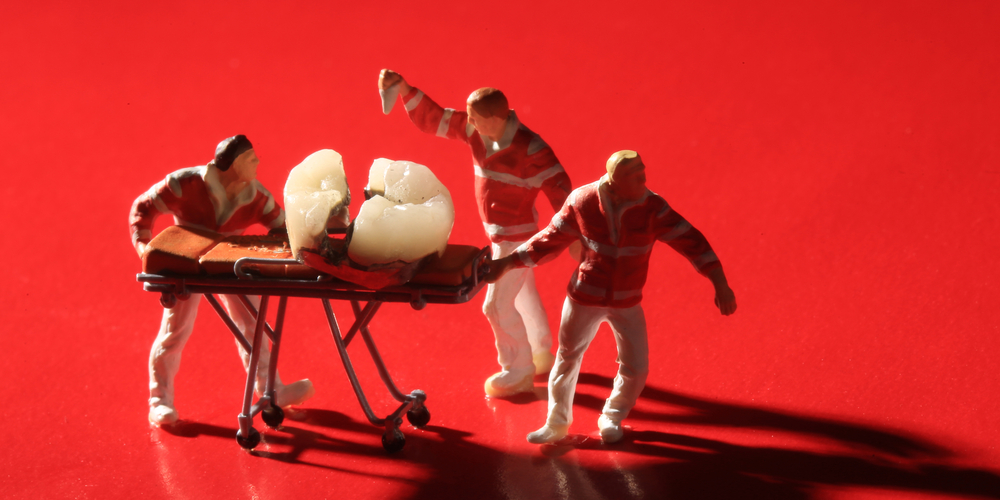
Time is absolutely critical when a tooth has been completely knocked out of its socket. The first thirty minutes are crucial for the potential success of reimplantation. If you or someone nearby has lost a tooth due to trauma, you should locate the tooth immediately and handle it carefully by the crown (the white part), never touching the root.

Place the tooth in a suitable storage medium as quickly as possible. Warm milk is ideal, as it helps preserve the delicate cells on the root surface that are necessary for successful reimplantation. If milk isn’t available, you can use saline solution or even saliva. Some people recommend placing the tooth back into its socket if the person is conscious and able to hold it there carefully, but this isn’t always practical in emergency situations. Keep the tooth moist at all times and seek emergency dental help immediately.

If the tooth cannot be saved or is lost at the scene, modern dentistry offers excellent tooth replacement options. A dental implant can provide a permanent, natural-looking solution that functions just like your original tooth. Alternatively, dental bridges or other prosthetic options may be suitable depending on your individual circumstances.

Jaw Injuries: Fractures and Dislocations

Jaw injuries require immediate professional attention and can be extremely serious. If you suspect you have broken or dislocated your jaw, it’s vital to keep the jaw as immobile as possible while seeking emergency help. You can gently support your jaw with your hands or use a bandage wrapped around your head and under your chin to provide stabilisation, but avoid applying too much pressure.

Emergency healthcare professionals will assess the extent of the injury using X-rays or other imaging techniques. Treatment for jaw fractures typically involves stabilising the position of the jaw and rebuilding the joint. In severe cases, this may require surgical intervention and the insertion of wires, plates, or screws to hold the bones in the correct position while they heal. Recovery from jaw surgery can take several weeks, during which you may need to follow a liquid or soft food diet.

If your jaw is not broken but has suffered impact resulting in swelling, applying a cold compress to the outside of your face can help reduce inflammation and ease discomfort. Apply the compress for fifteen to twenty minutes at a time, with breaks in between, and seek professional evaluation to rule out more serious injury.

Facial Injuries and Soft Tissue Damage

Facial injuries such as cuts to the lips, cheeks, tongue, or gums often accompany dental trauma. Minor to moderate cuts may be treated effectively using sutures (stitches) or medical glue to close the wound and promote proper healing. It’s important to have these injuries assessed by a healthcare professional, as facial wounds can sometimes be deeper than they appear and may require specialised care to prevent scarring.

In extreme cases, such as severe burns from chemical exposure, fire, or other sources, reconstructive surgery may be necessary. These complex procedures might include skin grafts, where healthy skin from another part of your body is transplanted to the damaged area, or other advanced reconstructive techniques performed by maxillofacial surgeons. The goal of reconstructive surgery is not only to restore function but also to achieve the best possible aesthetic outcome.

When to Seek Emergency Dental Care

You should seek immediate emergency dental care if you experience any of the following: a knocked-out tooth, a severely cracked or broken tooth causing pain, uncontrolled bleeding from the mouth, severe toothache that doesn’t respond to over-the-counter pain relief, swelling of the jaw or face that affects breathing or swallowing, or any suspected jaw fracture or dislocation.

Many dental practices offer emergency appointments, and hospital accident and emergency departments can provide initial treatment for dental trauma, especially when it involves significant facial injuries or suspected fractures. Don’t delay seeking help, as prompt treatment significantly improves outcomes in most dental emergency situations.